
Dead Car Battery in Winter? Jump Start vs Battery Boost Explained
It’s a freezing January morning in Oakville. You turn the key—and nothing happens. Your dashboard lights flicker weakly, and your engine won’t turn over. You have a dead car battery, and you need help fast.
But should you call for a jump start or a battery boost? Are they the same thing? And why do car batteries die so often in winter? This complete guide explains the difference between jump starting and battery boosting, why cold weather kills batteries, and when to call professional battery boost service in Oakville. Need immediate help? Call (289) 430-6172 for fast assistance.
Jump Start vs Battery Boost: What’s the Difference?
Many drivers use “jump start” and “battery boost” interchangeably, but there’s a subtle distinction in how professionals approach these services.
What is a Jump Start?
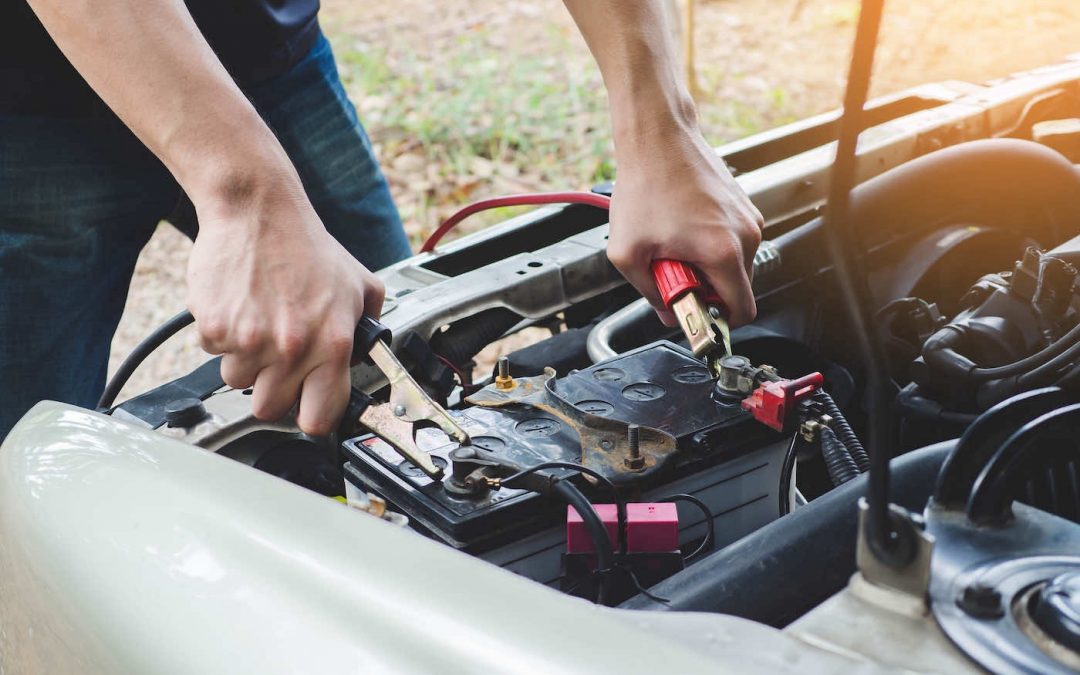
A jump start uses jumper cables to connect your dead battery to another vehicle’s working battery. The donor vehicle transfers electrical power to your dead battery, providing just enough charge to start your engine. Once started, your alternator takes over and recharges the battery as you drive.
Jump starting is typically done by:
- A friend or family member with jumper cables
- A Good Samaritan in a parking lot
- Yourself if you have access to another vehicle
What is a Battery Boost?
A battery boost is essentially the same process, but the term is used by professional roadside assistance companies like Towing Oakville. Instead of using another vehicle, technicians use commercial-grade portable jump starters or battery boosters that deliver a powerful, controlled electrical surge to start your car safely.
Professional battery boost services include:
- High-powered portable jump starters designed for extreme cold
- Battery health testing to diagnose underlying issues
- Safety checks to prevent electrical damage
- Expert advice on whether you need a new battery or further repairs
The main advantage? Professional battery boost service is safer, faster, and includes diagnostic support. Call (289) 430-6172 for 24/7 battery boost help anywhere in Oakville.
Jump Start vs Battery Boost: Quick Comparison
| Factor | Jump Start (DIY) | Battery Boost (Professional) |
|---|---|---|
| Power Source | Another vehicle’s battery | Commercial-grade portable booster |
| Equipment Needed | Jumper cables + donor vehicle | Professional jump starter pack |
| Time to Arrive | Depends on friend availability | 20-30 minutes (Oakville average) |
| Safety | Risk of incorrect connection | Professional training + safeguards |
| Battery Testing | No diagnostic included | Battery health check included |
| Cost | Free (if someone helps you) | $60-$100 (professional service) |
| Availability | Limited (need another person) | 24/7 availability |
Why Do Car Batteries Die in Winter?
Dead batteries are the #1 cause of winter breakdowns in Oakville. Understanding why cold weather kills batteries helps you prevent problems before they happen.
1. Cold Temperatures Reduce Battery Capacity
Car batteries rely on chemical reactions to produce electricity. When temperatures drop below freezing, these reactions slow dramatically. At -18°C (0°F), a fully charged battery loses up to 60% of its cranking power. That means a healthy battery in summer becomes a struggling battery in winter—even if it’s not actually “dead.”
2. Engine Oil Thickens, Requiring More Power
Cold weather thickens engine oil, making your engine harder to turn over. Your battery must work significantly harder to crank a cold engine compared to a warm one. This extra strain, combined with reduced battery capacity, often leads to that dreaded clicking sound when you turn the key.
3. Older Batteries Can’t Handle the Stress
Most car batteries last 3-5 years. If your battery is older than 3 years and hasn’t been replaced, winter weather will expose any weaknesses. Even a battery that works fine in summer may fail completely in January. If your battery is approaching this age, consider proactive replacement before winter hits hard.
4. Short Winter Trips Don’t Recharge Batteries
Many Oakville drivers take short trips—to the grocery store, gym, or office—during winter. These brief drives don’t give your alternator enough time to fully recharge the battery after startup. Over days and weeks, this leads to progressive battery drain until one morning, your car won’t start at all.
5. Power-Hungry Winter Accessories Drain Batteries Faster
Winter driving means using heaters, defrosters, heated seats, and rear window defoggers—all of which draw significant power. Add in phone chargers, GPS devices, and interior lights, and your battery faces constant drain. If your battery is already weakened by cold, this extra demand can push it over the edge.
Signs Your Battery is About to Die
Don’t wait for a complete failure. Watch for these warning signs that your battery is struggling:
- Slow Engine Crank: The engine takes longer than usual to start, or you hear slow, labored cranking
- Dim Headlights: Headlights or interior lights appear dimmer than normal, especially at idle
- Clicking Sound: You hear rapid clicking when turning the key—a classic sign of insufficient power
- Dashboard Warning Light: Battery or electrical system warning lights illuminate
- Electrical Issues: Power windows, radio, or accessories behave erratically
- Swollen Battery Case: Extreme cold (or heat) can cause battery cases to swell or bulge
- Corrosion on Terminals: White, ashy buildup around battery terminals indicates acid leakage
- Battery Age: Your battery is 3+ years old and hasn’t been tested recently
If you notice any of these symptoms, have your battery tested immediately. Most breakdowns happen at the worst times—early mornings, late nights, or during snowstorms. If your battery dies unexpectedly, call (289) 430-6172 for immediate battery boost service in Oakville.
How to Jump Start a Car Safely (DIY Method)
If you have jumper cables and access to another vehicle, here’s the safe way to jump start your car:
What You’ll Need:
- Jumper cables (at least 12-gauge, preferably 6-gauge)
- Another vehicle with a fully charged battery
- Safety gloves (optional but recommended)
Step-by-Step Jump Start Process:
- Position Both Vehicles: Park the donor vehicle close enough so jumper cables reach both batteries, but don’t let the vehicles touch. Turn off both engines and all electrical accessories.
- Identify Battery Terminals: Locate the positive (+) and negative (–) terminals on both batteries. The positive terminal is usually red and marked with a plus sign.
- Connect Positive Cables First: Attach one red clamp to the positive (+) terminal of the dead battery, then attach the other red clamp to the positive (+) terminal of the donor battery.
- Connect Negative Cables: Attach one black clamp to the negative (–) terminal of the donor battery. Here’s the important part: attach the other black clamp to an unpainted metal surface on the dead car’s engine block—NOT the negative battery terminal. This reduces spark risk.
- Start the Donor Vehicle: Start the engine of the working vehicle and let it run for 2-3 minutes to charge the dead battery.
- Try Starting Your Car: Attempt to start your vehicle. If it doesn’t start after 3-4 tries, your battery may be too far gone or you have a different problem. Call (289) 430-6172 for professional help.
- Remove Cables in Reverse Order: Once your car starts, disconnect cables in the exact reverse order: black clamp from engine block, black clamp from donor battery, red clamp from donor battery, red clamp from your battery.
- Let Your Engine Run: Keep your engine running for at least 20-30 minutes to recharge the battery. Avoid turning off the engine until the battery has recharged.
Important Safety Warning: Never let jumper cable clamps touch each other while connected to a battery. This can cause dangerous sparks, battery explosions, or electrical damage to both vehicles.
When to Call Professional Battery Boost Service
While DIY jump starting works in many situations, there are times when professional help is safer, faster, and smarter.
Call (289) 430-6172 for Professional Battery Boost If:
- You don’t have jumper cables or another vehicle available
- You’re stranded in an unsafe location (busy highway, dark parking lot, isolated area)
- Your battery won’t hold a charge even after a successful jump
- You’re unsure how to safely connect jumper cables
- Your battery is visibly swollen, leaking, or corroded
- You’ve tried jumping the battery multiple times without success
- Your car has complex electrical systems (newer luxury or hybrid vehicles)
- It’s late at night, early morning, or during severe winter weather
- You need your battery tested to determine if replacement is necessary
Professional battery boost service from Towing Oakville includes on-site battery testing, expert diagnosis, and advice on whether you need a replacement. Our technicians arrive in 20-30 minutes with commercial-grade equipment designed for Ontario’s harsh winters.
What if Your Battery Won’t Hold a Charge?
Successfully jump starting your car doesn’t always solve the problem. If your engine starts but the battery dies again within hours or days, you likely have a deeper issue.
Common Causes of Repeated Dead Batteries:
- Old Battery: Batteries over 4-5 years old can’t hold charges reliably and need replacement
- Faulty Alternator: Your alternator may not be recharging the battery while you drive
- Parasitic Drain: Electrical accessories or faulty wiring slowly drain the battery when the car is off
- Corroded Terminals: Poor connections prevent proper charging and power delivery
- Extreme Cold Damage: Severe winter temperatures can permanently damage battery cells
If your battery keeps dying, you need more than a jump. Our technicians can test your battery and charging system on-site, then recommend the best solution—whether that’s cleaning terminals, replacing the battery, or towing your vehicle to a repair shop for alternator diagnosis.
How to Prevent Dead Batteries This Winter
Prevention is always cheaper and less stressful than emergency roadside service. Follow these tips to keep your battery healthy all winter long.
1. Test Your Battery Before Winter Arrives
Have your battery tested at a local Oakville garage in late fall (October or November). Most shops offer free battery testing. If your battery is weak or over 3 years old, replace it proactively before winter weather hits.
2. Keep Battery Terminals Clean
Corrosion on battery terminals reduces electrical conductivity, making it harder for your battery to deliver power. Clean terminals monthly using a wire brush and baking soda solution (1 tablespoon baking soda mixed with 1 cup water).
3. Drive Longer Distances Regularly
Short trips don’t give your alternator enough time to recharge the battery. Try to drive for at least 20-30 minutes once or twice per week to maintain battery charge levels.
4. Limit Electrical Accessory Use
Reduce strain on your battery by minimizing use of heated seats, rear defoggers, and other power-hungry accessories—especially during short trips. Turn off all electronics before shutting off your engine.
5. Use a Battery Maintainer for Long-Term Parking
If your car sits unused for weeks (vacation, storage, etc.), connect a battery maintainer (trickle charger) to keep it charged. This is especially important for vehicles stored in unheated garages during winter.
6. Park in a Garage When Possible
Parking indoors—even in an unheated garage—protects your battery from extreme cold. Batteries in garaged vehicles typically last longer and experience fewer cold-weather failures.
7. Replace Old Batteries Proactively
Don’t wait for your battery to die. If it’s 4-5 years old, replace it before winter begins. A new battery is far cheaper than multiple emergency jump starts or getting stranded in dangerous conditions.
Why Choose Towing Oakville for Battery Boost Service
When your battery dies and you need help fast, you want a company that’s reliable, professional, and nearby. Here’s why Oakville drivers trust us:
- Fast Response Times: Average arrival time of 20-30 minutes across all Oakville neighborhoods
- 24/7 Availability: We’re here anytime—early mornings, late nights, weekends, and holidays
- Professional Equipment: Commercial-grade jump starters designed for extreme Canadian winters
- Battery Health Testing: On-site diagnostics to determine if you need a replacement
- Experienced Technicians: Trained in safe battery boost procedures and vehicle electrical systems
- Affordable Pricing: Transparent rates ($60-$100) with no hidden fees or surprise charges
- All Oakville Areas Covered: From Bronte to Glen Abbey, Kerr Village to Palermo—we serve everywhere
Don’t risk damaging your vehicle with improper jump starting. Let our professionals handle it safely and efficiently. Call (289) 430-6172 for immediate battery boost service.
Frequently Asked Questions
How much does a battery boost cost in Oakville?
Professional battery boost service typically costs between $60 and $100 in Oakville, depending on your location and time of day. This includes battery testing, safe jump starting, and expert advice. Call (289) 430-6172 for an exact quote.
How long does it take for a battery boost technician to arrive?
Our average response time is 20-30 minutes across Oakville. During severe weather or peak hours, arrival times may be slightly longer, but we always prioritize emergency calls. We’ll give you an accurate ETA when you call.
Will a jump start damage my car’s electronics?
When done correctly, jump starting is safe. However, improper connections or voltage spikes can damage sensitive electronics in modern vehicles. Professional battery boost service uses regulated equipment with built-in safeguards to prevent electrical damage.
How long should I drive after a battery boost?
Drive for at least 20-30 minutes after a successful boost to allow your alternator to recharge the battery. Avoid turning off the engine during this time, and minimize use of electrical accessories like heated seats and defrosters.
What if my car won’t start even after a battery boost?
If your car doesn’t start after a professional battery boost, you may have a dead battery that won’t hold a charge, a faulty alternator, or a different mechanical issue. In this case, we can provide breakdown towing to transport your vehicle to a repair shop for diagnosis.
Can I boost a car if the battery is frozen?
No. Never attempt to jump start or charge a frozen battery. Frozen batteries can crack, leak acid, or even explode when jump started. If your battery case is swollen or has ice crystals, do not jump it. Call (289) 430-6172 for professional assessment and safe removal.
How do I know if I need a new battery or just a boost?
If your battery is over 3-4 years old, frequently goes dead, or won’t hold a charge after a boost, you likely need a replacement. Our technicians can test your battery’s health on-site and provide honest recommendations—no pressure, no sales tactics.
Is battery boost service covered by insurance or CAA?
Many auto insurance policies and CAA memberships include roadside assistance with battery boost coverage. Check your policy for details. If you’re not covered or prefer faster service, we offer affordable rates and typically arrive sooner than CAA during busy winter periods.
Get Fast Battery Boost Service in Oakville Now
Dead battery? Don’t wait in the cold. Whether you’re stranded in a parking lot, stuck at home, or broken down on the highway, Towing Oakville provides fast, professional battery boost service 24/7.
Call (289) 430-6172 now for immediate help.
Our technicians arrive in 20-30 minutes with commercial-grade equipment, test your battery on-site, and get you back on the road quickly. We serve all Oakville neighborhoods—from Lakeshore Road to Highway 403 and everywhere in between.
Save our number in your phone. Winter isn’t over yet, and batteries die when you least expect it. When you need reliable, affordable roadside assistance, we’re just one call away.
Need a Battery Boost Right Now?
Call: (289) 430-6172
✓ 24/7 service across Oakville
✓ 20-30 minute average arrival
✓ Professional equipment & testing
✓ Affordable rates ($60-$100)
✓ Experienced, licensed technicians