
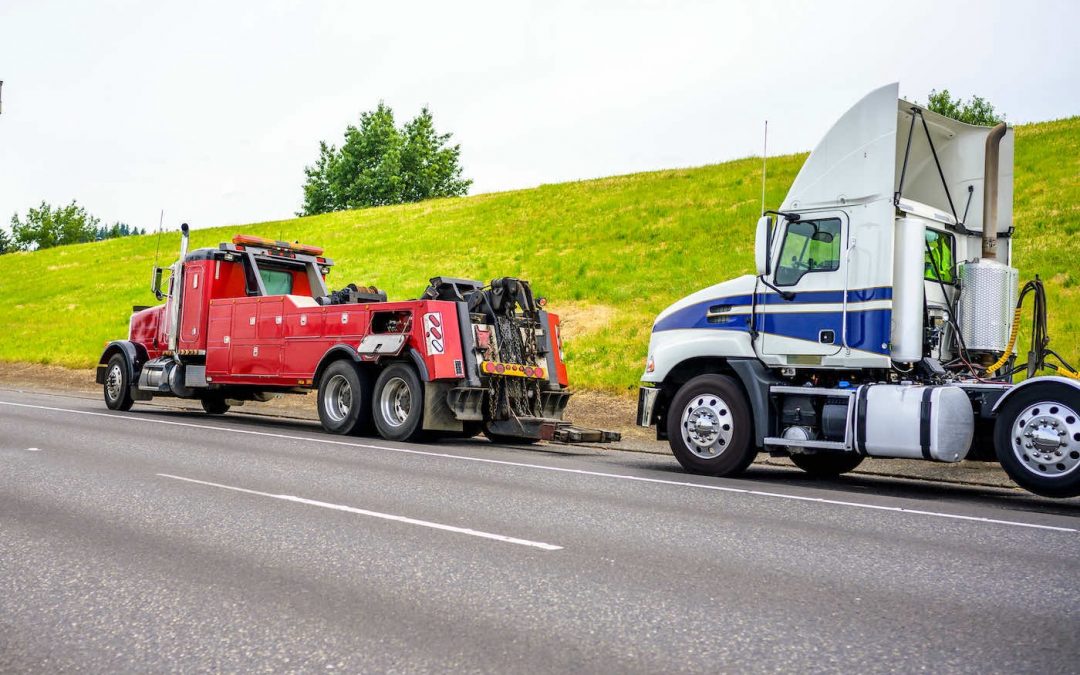
Long-Distance Towing from Oakville: What You Need to Know
Whether you’re relocating to a new city, buying a vehicle from out of town, or dealing with a breakdown far from home, long-distance towing is sometimes the only practical solution. But transporting a vehicle over hundreds of kilometres requires more planning than a typical local tow.
At Towing Oakville, we provide long-distance towing services throughout Ontario and beyond. In this comprehensive guide, we’ll cover everything you need to know about long-distance towing—from costs and preparation to choosing the right service and what to expect during transport.
What Is Considered Long-Distance Towing?
Long-distance towing generally refers to transporting a vehicle more than 100 kilometres from its starting point. Unlike local towing, which might take your car a few blocks to the nearest repair shop, long-distance towing often involves:
- Cross-city or inter-city transport
- Provincial or interprovincial moves
- Transport to specialized repair facilities
- Vehicle relocation during a move
- Delivery of purchased vehicles from distant sellers
The distance involved requires specialized equipment, careful route planning, and experienced operators who understand the unique challenges of extended hauls.
Common Reasons for Long-Distance Towing
People need long-distance towing services for many reasons:
Vehicle Breakdown Far from Home
If your car breaks down while traveling—whether on a road trip, visiting family, or on business—you may need it towed back to Oakville or to a trusted repair shop closer to home. This is especially common when the local repair options are limited or unfamiliar.
Relocating to a New City
Moving to a new province or city? Long-distance towing lets you transport your vehicle without adding hundreds or thousands of kilometres to the odometer. This is particularly valuable for older vehicles, classics, or cars that aren’t road-trip ready.
Buying or Selling a Vehicle
Online marketplaces have made it easier than ever to find the perfect car—even if it’s located in another city. Long-distance towing provides a safe way to bring your new purchase home without flying out to drive it back.
Specialized Repairs
Some vehicles require specialist mechanics or dealership service centres that may be located far from your home. Classic cars, European imports, or vehicles with specific mechanical issues might need to travel to a qualified facility.
Snowbirds and Seasonal Moves
Canadians heading south for the winter often prefer to have their vehicle transported rather than making the long drive themselves—especially if health, time, or road conditions are concerns.
How Much Does Long-Distance Towing Cost?
Long-distance towing costs vary based on several factors. Understanding these can help you budget accurately and compare quotes effectively.
Pricing Structure
Most long-distance towing services use one of two pricing models:
| Pricing Model | How It Works | Best For |
|---|---|---|
| Per-Kilometre Rate | Base fee (hook-up) + charge per km traveled | Shorter long-distance hauls (100-300 km) |
| Flat Rate | Single quoted price for the entire trip | Very long distances; provides cost certainty |
Average Cost Estimates
Here are typical price ranges for long-distance towing from Oakville:
| Distance | Estimated Cost | Example Destinations |
|---|---|---|
| 100-200 km | $200 – $400 | Barrie, Kitchener, Niagara Falls |
| 200-400 km | $400 – $700 | Ottawa, Kingston, London |
| 400-600 km | $700 – $1,000 | Montreal, Sudbury, Windsor |
| 600+ km | $1,000+ | Quebec City, Thunder Bay, Manitoba |
Note: These are estimates only. Actual prices depend on vehicle type, route, timing, and service provider. Always request a detailed quote before booking.
Factors That Affect Cost
- Distance: The primary cost driver—longer trips cost more
- Vehicle size and weight: Larger vehicles (trucks, SUVs) may cost more than compact cars
- Vehicle condition: Non-running vehicles may require additional equipment (winching, special loading)
- Towing method: Flatbed towing typically costs more than wheel-lift but offers better protection
- Route and terrain: Remote areas or difficult routes may incur additional charges
- Timing: Emergency or after-hours service may cost more than scheduled transport
- Additional services: Fuel surcharges, tolls, storage, or waiting time
Types of Long-Distance Towing
Different vehicles and situations call for different towing methods. Here’s what’s available:
Flatbed Towing (Recommended)
With flatbed towing, your entire vehicle sits on a flat platform, keeping all four wheels off the ground. This is the safest method for long-distance transport because:
- No additional wear on your vehicle’s tires, transmission, or drivetrain
- Protection from road debris during transport
- Required for AWD/4WD vehicles, luxury cars, and lowered vehicles
- Ideal for non-running vehicles
Our flatbed towing service is the preferred choice for all long-distance hauls.
Wheel-Lift Towing
Wheel-lift towing raises either the front or rear wheels while the other set rolls on the road. This method is generally suitable for shorter distances but may be used for longer trips if:
- The vehicle is a standard front-wheel-drive car
- Cost is a primary concern
- The vehicle is in good mechanical condition
Important: Wheel-lift towing is NOT recommended for AWD, 4WD, or rear-wheel-drive vehicles over long distances, as it can damage the drivetrain.
Enclosed Transport
For high-value, classic, or exotic vehicles, enclosed transport offers maximum protection from weather, road debris, and prying eyes. This premium service is ideal for:
- Classic and collector cars
- Luxury and exotic vehicles
- Show cars and competition vehicles
- Recently restored vehicles
How to Prepare Your Vehicle for Long-Distance Towing
Proper preparation ensures your vehicle arrives safely and helps the towing process go smoothly.
Before the Tow Truck Arrives
- Remove personal belongings: Take out valuables, electronics, and loose items. Most towing companies aren’t liable for personal property during transport.
- Document your vehicle’s condition: Take photos of all sides, the interior, and any existing damage. This creates a record in case any issues arise during transport.
- Check fluid levels: While not critical for flatbed towing, ensuring there are no active leaks helps prevent messes and identifies potential problems.
- Check tire pressure: Properly inflated tires make loading and securing easier and prevent flat spots during transport.
- Reduce fuel level: A quarter tank is usually sufficient. Less fuel means less weight and reduced fire risk.
- Disable the car alarm: Turn off or disable your alarm system to prevent it from triggering during transport.
- Secure or remove accessories: Remove bike racks, spoilers, or other accessories that might be damaged or cause clearance issues.
- Provide keys: Even for non-running vehicles, the tow operator needs keys to unlock the steering and release the parking brake.
Documentation to Have Ready
- Vehicle registration
- Proof of insurance
- Your ID
- Contact information for pickup and delivery locations
- Any special instructions for the driver
What to Expect During Long-Distance Towing
Understanding the process helps set realistic expectations:
Scheduling and Pickup
Long-distance towing is often scheduled in advance (unlike emergency local towing). When you book:
- Provide accurate pickup and delivery addresses
- Specify any access restrictions (narrow driveways, gated communities)
- Confirm pickup and estimated delivery windows
- Get a written quote with all fees itemized
During Transport
Your vehicle will be securely strapped to the tow truck for the journey. Professional operators:
- Use soft straps and wheel nets to prevent damage
- Avoid chains or hooks that could scratch wheels or body panels
- Follow safe driving practices appropriate for loaded transport
- May provide tracking or periodic updates on longer hauls
Delivery
Upon arrival at the destination:
- Inspect your vehicle carefully before signing any delivery confirmation
- Compare the vehicle’s condition to your pre-tow photos
- Note any concerns immediately and document with photos
- Test start the engine, check brakes, and verify basic functions
Choosing a Long-Distance Towing Company
Not all towing companies handle long-distance transport. Here’s what to look for:
Essential Qualifications
- Proper licensing and insurance: Verify the company is licensed for commercial transport and carries adequate insurance coverage
- Experience with long-distance hauls: Ask about their experience with trips similar to yours
- Appropriate equipment: Ensure they have flatbed trucks or the specific equipment your vehicle requires
- Transparent pricing: Get a detailed, written quote with all potential fees disclosed upfront
- Positive reviews: Check online reviews and ask for references if needed
Questions to Ask
- What type of truck will be used for transport?
- Is my vehicle insured during transport? What’s the coverage limit?
- What’s the estimated pickup and delivery timeframe?
- Are there any additional fees beyond the quoted price?
- What happens if there’s a delay or mechanical issue with the tow truck?
- Can I track my vehicle during transport?
- What’s your policy if damage occurs during transport?
Red Flags to Avoid
- Quotes significantly lower than competitors (may indicate hidden fees or poor service)
- Unwillingness to provide written quotes or contracts
- No proof of insurance or licensing
- Poor communication or unprofessional behaviour
- Requiring large upfront deposits before service
Long-Distance Towing vs. Auto Transport
For very long distances (500+ km), you might also consider auto transport services. Here’s how they compare:
| Feature | Long-Distance Towing | Auto Transport (Carrier) |
|---|---|---|
| Your vehicle is… | The only vehicle on the truck | One of multiple vehicles on a carrier |
| Best for distances | 100-800 km | 800+ km or cross-country |
| Speed | Faster (direct transport) | Slower (may wait for full carrier) |
| Flexibility | More flexible scheduling | Fixed routes and schedules |
| Cost | Higher per-km rate | Lower per-km rate for long distances |
| Door-to-door service | Usually included | May require terminal pickup/dropoff |
For most trips within Ontario and to nearby provinces, dedicated long-distance towing offers the best combination of speed, flexibility, and personal service.
Insurance Considerations
Understanding insurance coverage is essential for long-distance transport:
Your Auto Insurance
Your existing auto insurance typically covers your vehicle during towing, but coverage details vary. Contact your insurance provider to confirm:
- Whether coverage applies during commercial transport
- Any requirements for transport companies (insurance minimums, etc.)
- How to file a claim if damage occurs
Towing Company Insurance
Reputable towing companies carry cargo insurance that covers vehicles during transport. Before booking, ask for:
- Proof of insurance certificate
- Coverage limits (should be adequate for your vehicle’s value)
- Deductibles and claim procedures
Roadside Assistance Programs
If you have roadside assistance through your insurance, CAA, or vehicle manufacturer, check whether it covers long-distance towing. Many programs have kilometre limits (often 100-200 km) beyond which you’ll pay out of pocket.
Frequently Asked Questions
How far can you tow my vehicle?
Towing Oakville provides long-distance towing throughout Ontario and to neighbouring provinces including Quebec and Manitoba. For extremely long distances (cross-country), we can recommend trusted partners or discuss the best options for your situation.
How long does long-distance towing take?
Transport time depends on distance, traffic, and weather conditions. As a general guide, allow approximately 1-1.5 hours per 100 km, plus loading and unloading time. A trip from Oakville to Ottawa (approximately 450 km) typically takes 6-8 hours including stops.
Can I put personal items in my car during long-distance towing?
We recommend removing all personal items before transport. Most towing companies don’t insure personal belongings, and loose items could shift and cause damage during transport. If you must leave items in the vehicle, secure them in the trunk and understand they’re at your own risk.
Is my vehicle insured during long-distance transport?
Yes. Towing Oakville carries full insurance coverage for vehicles during transport. We recommend also checking with your own auto insurance provider to understand how their coverage works during commercial transport. We’re happy to provide proof of insurance upon request.
Do you offer flatbed towing for long distances?
Yes. We recommend flatbed towing for all long-distance transport. It’s the safest method that protects your vehicle from additional wear and road hazards. Flatbed towing is required for AWD vehicles, luxury cars, and any vehicle that isn’t running.
How much notice do you need for long-distance towing?
While we can sometimes accommodate same-day long-distance towing, scheduling 24-48 hours in advance helps ensure availability and allows time for proper planning. For non-urgent transport, booking a few days ahead gives you more flexibility with timing.
What if my car breaks down on the highway far from Oakville?
If you break down on a trip and need your vehicle brought back to Oakville, call us at (289) 430-6172. We can dispatch a truck to your location or coordinate with local towing services to get your vehicle safely transported home.
Can you tow a vehicle that doesn’t run?
Yes. Our flatbed trucks can transport non-running vehicles. We use winching equipment to safely load vehicles that can’t drive onto the flatbed. Let us know in advance if your vehicle doesn’t start so we can bring the appropriate equipment.
Popular Long-Distance Towing Routes from Oakville
We frequently provide long-distance towing to destinations including:
- Toronto and GTA: Mississauga, Brampton, Scarborough, Markham
- Southwestern Ontario: Hamilton, Niagara Falls, St. Catharines, London, Windsor
- Central Ontario: Barrie, Orillia, Muskoka
- Eastern Ontario: Kingston, Ottawa, Cornwall
- Northern Ontario: Sudbury, North Bay, Sault Ste. Marie
- Quebec: Montreal, Quebec City
Don’t see your destination? Contact us for a quote to any location.
Need Long-Distance Towing from Oakville?
Whether you’re moving, bought a car from out of town, or need your vehicle transported for any reason, Towing Oakville is here to help. We offer professional long-distance towing with:
- Modern flatbed equipment for safe transport
- Experienced, professional drivers
- Full insurance coverage
- Competitive, transparent pricing
- Flexible scheduling
Call us at (289) 430-6172 for a free quote on long-distance towing to any destination. We’re available 24/7 for emergencies and happy to answer any questions about your transport needs.
View our full range of towing services or learn more about our service area.
Note: All prices mentioned in this article are provided for general reference and informational purposes only. These prices are not fixed and may vary depending on facts, market conditions, location, time, availability, or other relevant factors. Actual prices may change without prior notice. Readers are advised to verify details independently before making any decisions.