What to Do After a Car Accident in Oakville: Complete Checklist
A car accident is stressful, even if it is just a minor fender-bender. In the moment, it is easy to panic or forget what to do next. Having a clear, simple checklist helps you stay safe, protect your rights, and get your vehicle towed quickly to the right place in Oakville.
This guide walks you through what to do step-by-step after a collision in Oakville, when you must report an accident, and when to call professional accident towing and insurance-approved tow trucks. If you need immediate help now, call (289) 430-6172 for 24/7 emergency towing in Oakville.
1. Check for Injuries and Call 911 if Needed
Your first priority after a car accident is safety. Check yourself, your passengers, and anyone in the other vehicle for injuries. If anyone is hurt, call 911 immediately and request police and paramedics.
- Do not try to move seriously injured people unless there is immediate danger (fire, explosion risk, etc.).
- Turn on your hazard lights to alert other drivers and reduce the risk of a secondary collision.
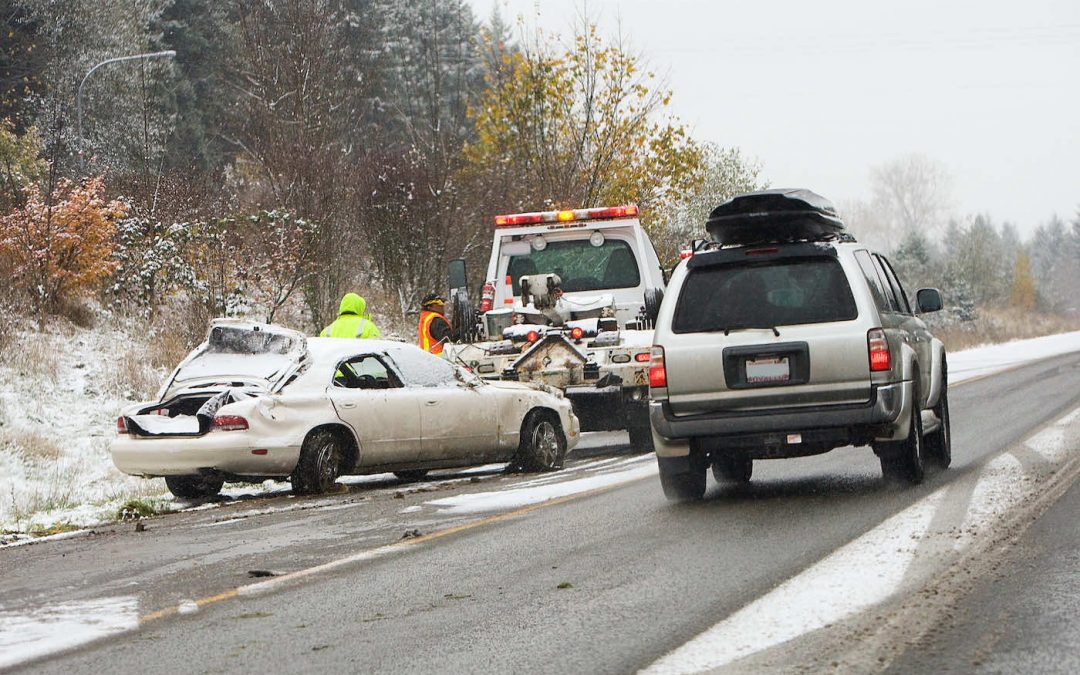
If your vehicle is disabled or blocking traffic, you may need accident recovery towing in Oakville to quickly clear the roadway and prevent further incidents.
2. Move to a Safe Location if You Can
If the vehicles are drivable and there are no serious injuries, move them to the shoulder, nearby parking lot, or a safe side street. Leaving cars in a live lane—especially on roads like the QEW, 403, or Trafalgar Road—creates a major hazard.
- Turn on hazard lights and set up warning triangles or flares if you have them.
- If your car cannot move, stay inside with your seatbelt on, if it is safe, and call for a tow truck immediately.
Our 24-hour towing service in Oakville can remove your vehicle from dangerous positions and take it to a repair shop or secure storage. Call (289) 430-6172 any time.
3. Call the Police or Collision Reporting Centre (When Required)
Ontario law requires you to report a collision to police or a Collision Reporting Centre in certain situations. Generally, you must report when:
- There are injuries or fatalities.
- There is suspected impaired driving, hit-and-run, or criminal activity.
- Combined property damage appears above the legal threshold (check current Ontario guidelines).
For minor collisions with no injuries, you may be directed to a Collision Reporting Centre instead of having police attend the scene. Oakville drivers typically use regional collision reporting centres in nearby cities as directed by police or their insurer.
After your car is documented, you can arrange insurance-approved towing to a body shop, dealership, or secure storage yard.
4. Stay Calm and Do Not Admit Fault
Even if you think you might be responsible, never admit fault or apologize in a way that sounds like an admission. Fault is determined later by insurers and, in serious cases, by courts, based on all available evidence.
- Stick to the facts when speaking with the other driver, police, or witnesses.
- Avoid arguing at the scene; focus on safety and information exchange.
Your insurance company will use your statement, the police report, and photographs to help determine what happened. Keeping calm and factual protects your interests in the claims process.
5. Exchange Information with the Other Driver
After everyone is safe and emergency services are called if needed, exchange all required information with the other driver(s). This is essential for insurance claims and repairs.
Key Details to Collect
- Full name and contact information of all drivers involved.
- Driver’s licence number and issuing province.
- Vehicle make, model, year, and licence plate number.
- Insurance company name and policy number.
- Owner’s information if different from the driver.
Also note the time, location (street names, nearest intersection), weather conditions, and direction of travel for each vehicle. This information supports your claim and any later discussions with insurers.
6. Document the Scene Thoroughly
Use your phone to take clear photos and videos of the accident scene from multiple angles. Visual evidence is extremely helpful for insurance adjusters and legal questions later.
Photos You Should Take
- Damage to all vehicles, including close-ups and wide shots.
- Position of the vehicles on the road before they are moved (if safe).
- Skid marks, broken glass, debris, and any road hazards.
- Traffic signs, lights, and road conditions (ice, snow, standing water).
- Any visible injuries (with the person’s consent).
If there are witnesses, politely ask for their names and contact information. Neutral witness statements can be valuable if there are disputes over what happened.
7. Decide Where to Tow Your Vehicle
If your car is not drivable or safe to operate, you will need a tow truck. In Ontario, you have the right to decide where your vehicle is towed—do not feel pressured to accept the first suggestion if it does not feel right.
Common Towing Destinations
- Your preferred body shop or collision repair centre.
- A dealership service department.
- Your home or private parking space.
- A secure storage yard while you decide next steps.
Our accident towing service in Oakville can move your vehicle safely from the scene or reporting centre to any location you choose. We also provide flatbed towing for heavily damaged or non-drivable vehicles.
8. Use an Insurance-Approved Tow Truck
After a collision, using an insurance-approved towing provider can simplify your claim and reduce out-of-pocket costs. Many insurers in Ontario work directly with trusted towing partners for accident recovery.
Our insurance towing service in Oakville offers:
- Direct billing to many major insurance companies (no upfront payment in most covered situations).
- Towing to approved collision repair centres or dealerships.
- Accident scene cleanup and safe vehicle removal.
When you call your insurer, you can request to use a professional local provider like Towing Oakville that already understands accident procedures and documentation.
9. Know Your Rights Under Ontario Towing Rules
Ontario has strengthened consumer protection rules around towing and storage, especially after collisions. These rules are designed to prevent overcharging, unauthorized tows, and aggressive solicitation at crash scenes.
Key Rights You Should Know
- You must be given a clear, itemized estimate and consent form before your vehicle is towed (except in emergency police-directed situations).
- You have the right to choose the tow destination—no one can force you to use a specific shop.
- Drivers must provide their name, company information, and tow licence number on request.
- You are entitled to an itemized invoice and information about storage fees.
Choosing a reputable, licensed towing provider helps ensure these rules are followed and you are treated fairly.
10. Contact Your Insurance Company as Soon as Possible
Once everyone is safe and your vehicle is secured, contact your insurance provider to report the accident. Most insurers require prompt reporting and will guide you through the next steps.
Information to Have Ready
- Policy number and driver’s licence.
- Date, time, and exact location of the accident.
- Description of what happened and damages.
- Police report number or Collision Reporting Centre reference if applicable.
Your insurer can confirm coverage for accident towing, rental cars, and repairs. If towing is covered, our insurance tow trucks can often bill them directly, reducing your upfront costs.
11. When to Call a Tow Truck Immediately
In some cases, it is unsafe or illegal to drive your vehicle after a collision, even if it seems to move. You should arrange immediate towing if:
- Your airbags have deployed.
- Fluids are leaking under the car (oil, coolant, fuel).
- The steering, brakes, or lights are not working properly.
- The frame, wheels, or suspension look bent or misaligned.
- Body damage prevents doors from opening or closing properly.
Driving a damaged vehicle can cause further mechanical issues and may be unsafe for you and others. Our collision towing team can safely load and transport your vehicle using flatbed or wheel-lift trucks. Call (289) 430-6172 for emergency towing in Oakville.
Frequently Asked Questions About Accidents & Towing in Oakville
Do I have to use the tow truck that shows up at the scene?
No. In Ontario, you have the right to choose your towing company and destination. You are not obligated to use the first tow truck that arrives unless directed by police for safety reasons. Always ask for pricing and credentials before agreeing.
Will my insurance cover accident towing?
In many collision claims, reasonable towing costs from the accident scene to a repair facility or storage yard are covered, especially if you have collision coverage. Check your policy or ask your adjuster. Our insurance towing service can work directly with many insurers.
Where should I tow my car after an accident in Oakville?
Common choices include your preferred body shop, an insurance-recommended collision centre, or a dealership. If you are unsure, you can tow to secure storage first and decide later. We can tow anywhere in Oakville and nearby cities.
What if my car is not drivable but I still need to get home?
After arranging towing, you may need a ride from the scene. Some insurance policies cover taxi or rental car costs after a collision. Ask your insurer, and consider arranging pickup with family, friends, or rideshare services while we handle your vehicle.
Can you tow my car directly from the Collision Reporting Centre?
Yes. After your vehicle is photographed and the report is filed, we can tow directly from the reporting centre to your chosen repair shop, dealership, or storage facility. Our accident towing team is familiar with local procedures.
What if I am not sure whether I should file a claim?
If damage appears minor, speak with your insurer or a trusted repair shop about estimated repair costs versus your deductible. Take clear photos and keep all towing and repair invoices. You can still choose to use professional accident towing even if you decide not to claim.
Why Oakville Drivers Trust Towing Oakville After an Accident
After a collision, you need more than just a truck—you need a calm, experienced team that can guide you through the first crucial steps. Towing Oakville provides:
- 24/7 accident recovery and collision towing anywhere in Oakville.
- Flatbed towing for heavily damaged or non-drivable vehicles.
- Insurance-approved towing with direct billing where available.
- Fast response times, typically 20–30 minutes depending on location and traffic.
- Licensed, insured operators who follow Ontario’s towing and consumer protection rules.
If you have just been in an accident, you do not need to handle everything alone. Save our number now and call when you need us: (289) 430-6172.
Need Accident Towing in Oakville Right Now?
Call: (289) 430-6172
24/7 collision towing • Insurance-approved options • Fast, professional response anywhere in Oakville